

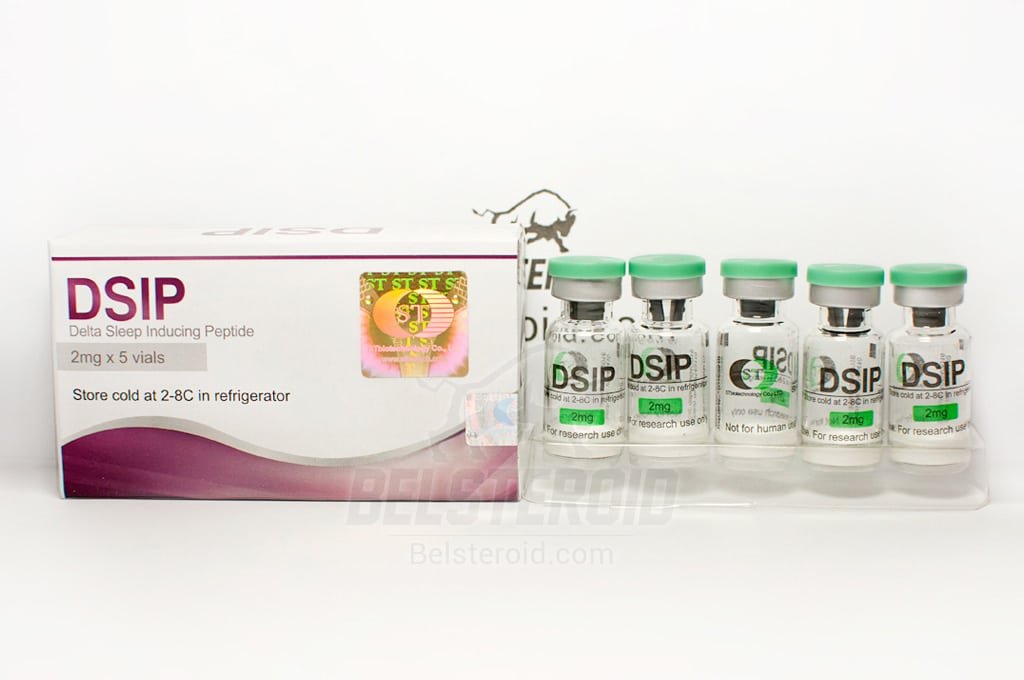
Buy DSIP Online in Australia
- Estimated Delivery : Up to 4 business days
- Free Shipping & Returns : On all orders over $200
Buy DSIP Online in Australia – DSIP Peptide Research & Information
DSIP Peptide Australia is a research topic related to peptide chemistry, neurobiology, molecular science, and laboratory analysis. DSIP stands for Delta Sleep-Inducing Peptide, a naturally occurring peptide that scientists have studied for its biological and biochemical properties.
This page provides general information about DSIP, including its structure, research applications, analytical testing, storage considerations, and Australian regulatory requirements. The information is intended for scientific and educational purposes.
What Is DSIP Peptide?
Delta Sleep-Inducing Peptide (DSIP) is a short peptide that has attracted scientific interest because of its reported role in experimental neurobiology research.
Scientists have studied DSIP in areas such as peptide signaling, sleep-related physiology, and molecular interactions. However, laboratory findings should not be treated as proof of a medical benefit or approved therapeutic use.
DSIP Technical Specifications
| Parameter | Specification |
|---|---|
| Common name | Delta Sleep-Inducing Peptide |
| Abbreviation | DSIP |
| Type | Neuropeptide |
| Reported sequence | Trp-Ala-Gly-Gly-Asp-Ala-Ser-Gly-Glu |
| Molecular formula | C35H48N10O15 |
| Molecular mass | 848.81 g/mol |
| CAS number | 62568-57-4 |
| Research form | Lyophilized peptide |
| Common tests | HPLC and mass spectrometry |
Researchers should confirm the identity and specifications of any laboratory material through reliable analytical documentation.
DSIP Peptide Australia: Research Applications
DSIP research covers several areas of peptide and molecular science. For example, laboratories may investigate peptide structure, molecular properties, neurobiology, and analytical characteristics.
HPLC can help scientists examine the purity profile of a peptide sample. In addition, mass spectrometry can help confirm its molecular mass and support compound identification.
Together, these methods can provide useful information about the identity and quality of a research material.
Common Analytical Methods
| Testing Method | Purpose |
|---|---|
| HPLC | Examines the purity profile |
| Mass spectrometry | Helps confirm molecular mass |
| Sequence analysis | Examines peptide structure |
| Stability testing | Studies changes during storage |
| Visual inspection | Checks physical condition |
Appropriate testing methods depend on the research protocol and laboratory requirements.
DSIP Peptide Structure and Properties
DSIP contains a short chain of amino acids and belongs to the peptide family. Its sequence and molecular structure are important when scientists study peptide behavior and biological interactions.
Furthermore, factors such as purity, concentration, storage conditions, and experimental methods can affect research results. Accurate records therefore help laboratories compare findings and improve reproducibility.
Laboratory Storage Considerations
Laboratories should follow the storage conditions specified for their particular research material. Temperature, moisture, light, and container conditions can all influence peptide stability.
For example, researchers should protect lyophilized materials from unnecessary moisture and light. Similarly, laboratories should maintain clear storage records and monitor conditions according to their internal procedures.
| Storage Factor | General Consideration |
|---|---|
| Temperature | Follow validated material specifications |
| Moisture | Keep material protected from moisture |
| Light | Limit unnecessary exposure |
| Container | Keep the container properly sealed |
| Records | Maintain batch and storage information |
Storage requirements can vary between peptide materials, so laboratories should always follow the applicable documentation.
Why Analytical Documentation Matters
Reliable research depends on accurate information about experimental materials. A Certificate of Analysis (COA), when available, may provide batch identification, HPLC results, mass-spectrometry data, and other analytical information.
As a result, researchers can use appropriate documentation to compare a material with their experimental requirements.
However, terms such as “high purity” or “research grade” should not replace independent review of analytical data. Researchers should assess documentation carefully before using a material in an experiment.
DSIP Peptide Australia and Regulatory Considerations
Australian researchers should check current requirements before acquiring, importing, handling, or supplying peptide materials. Regulatory requirements can differ depending on the material, intended activity, organization, and applicable Australian laws.
The Therapeutic Goods Administration (TGA) provides information about unapproved therapeutic goods and their regulatory status.
Additionally, the TGA provides guidance concerning responsibilities associated with unapproved peptide products. Organizations should review current requirements and obtain appropriate regulatory advice for their specific activities.
Research Quality and Reproducibility
Good research requires consistent methods and accurate records. Scientists should document material identification, batch information, analytical results, storage conditions, and experimental procedures.
In this way, research teams can identify differences between materials and improve consistency across experiments.
It is also important to distinguish analytical purity from biological safety. A laboratory test showing high purity does not, by itself, demonstrate that a compound is safe for human or veterinary use.
Frequently Asked Questions
What does DSIP stand for?
DSIP stands for Delta Sleep-Inducing Peptide. Scientists have investigated this peptide in experimental research involving neurobiology and related areas.
What is the DSIP peptide sequence?
The commonly reported sequence is Trp-Ala-Gly-Gly-Asp-Ala-Ser-Gly-Glu. Researchers should verify the identity of a specific research material through appropriate documentation.
What tests can researchers use to study DSIP?
HPLC and mass spectrometry are common analytical techniques for peptide research. However, the most suitable testing approach depends on the research objective and laboratory protocol.
What is the molecular mass of DSIP?
The commonly reported molecular mass is approximately 848.81 g/mol. Researchers should confirm this information against reliable scientific or analytical references.
Why is a Certificate of Analysis useful?
A COA can provide information about a specific batch, including analytical results and identification details. Therefore, it can support laboratory record keeping and research quality assessment.
Is DSIP approved as a therapeutic product in Australia?
Researchers should not assume that a research peptide has therapeutic approval. Instead, they should check current Australian regulatory information and consult appropriate institutional compliance personnel.
Conclusion
DSIP Peptide Australia is a research subject that connects peptide chemistry, analytical science, neurobiology, and molecular research. Its molecular structure and reported biological properties have made it relevant to experimental scientific studies.
Ultimately, researchers should focus on accurate identification, reliable analytical documentation, suitable laboratory procedures, and current Australian regulatory requirements when conducting work involving DSIP research materials.
| MG | 10mg*10vials, 5mg*10vials |
|---|---|
| Cat. No | DS5, DS10 |
Be the first to review “Buy DSIP Online in Australia”
Related products
-

-

-

Buy NAD+ Peptides Online in Australia
Price range: $95 through $165 -

-
Buy Semaglutide Online in Australia
Price range: $255 through $275 -

Reviews
There are no reviews yet.