

LSD-25 Blotter Tabs – Looney Tunes
Buy LSD-25 Blotter Tabs – Looney Tunes In Australia Online
- Estimated Delivery : Up to 4 business days
- Free Shipping & Returns : On all orders over $200
LSD-25 Blotter Tabs – Looney Tunes: A Comprehensive Educational Overview
Introduction
LSD-25 (lysergic acid diethylamide) remains one of the most discussed and misunderstood psychoactive substances in the world. Among its many street forms, blotter tabs—small squares of absorbent paper infused with the compound—are the most recognizable. The “Looney Tunes” blotter design is one of countless artistic variations that have appeared on these papers over the decades, representing a unique intersection of chemistry, counterculture, and visual art.
This comprehensive educational overview examines LSD-25 blotter tabs from multiple angles: their historical origins, the chemistry behind their effects, the art and culture surrounding blotter paper, legal frameworks in Australia and internationally, emerging clinical research, and critical safety considerations. The goal is to provide accurate, science-based information for researchers, students, healthcare professionals, and anyone seeking to understand this complex topic.
Part One: Historical Origins of LSD-25
Early Synthesis and Discovery
The story of LSD-25 begins in the laboratories of Sandoz Pharmaceuticals in Basel, Switzerland. In 1938, chemist Albert Hofmann was conducting research on ergot alkaloids—compounds derived from the ergot fungus (Claviceps purpurea), which infects rye and other cereals. His goal was to develop a circulatory stimulant, and in the process, he synthesized the twenty-fifth compound in a series of lysergic acid derivatives. He labeled it “LSD-25” (Lysergsäure-diethylamid, compound number 25).
Initial testing on animals showed little of interest, and the compound was shelved for five years. Then, on April 16, 1943, Hofmann experienced what he later described as a “remarkable restlessness” combined with “slight dizziness” while working with the substance. He suspected accidental absorption through his fingertips. Three days later, on April 19, 1943—now celebrated in psychedelic culture as “Bicycle Day”—he deliberately ingested 250 micrograms and experienced profound perceptual alterations during his bicycle ride home. This date marks the first intentional LSD experience in recorded history.
Mid-20th Century Research and Military Interest
Following Hofmann’s discovery, LSD attracted significant attention from both the psychiatric community and military intelligence agencies. In the 1950s and 1960s, researchers explored LSD as a potential treatment for alcoholism, anxiety, depression, and various psychiatric conditions. Thousands of patients received LSD in controlled clinical settings, and early results were sometimes promising.
Simultaneously, the CIA’s MKUltra program and similar initiatives in other countries investigated LSD for potential use in interrogation, mind control, and chemical warfare. These covert programs contributed to the drug’s controversial reputation and eventual criminalization.
Counterculture and Prohibition
By the mid-1960s, LSD had escaped the laboratory and become central to the counterculture movement. Figures like Timothy Leary and Ken Kesey promoted its use as a tool for spiritual and psychological exploration. The widespread recreational use that followed prompted governments worldwide to criminalize LSD. In the United States, it was classified as a Schedule I controlled substance in 1968; similar prohibitions followed internationally, including in Australia under the Narcotic Drugs Act.
Part Two: The Science of LSD-25
Chemical Structure and Mechanism
LSD-25 is a semi-synthetic compound derived from lysergic acid, which itself is produced by the ergot fungus. Its chemical formula is C₂₀H₂₅N₃O, and its structure bears a striking resemblance to serotonin (5-hydroxytryptamine, or 5-HT), a neurotransmitter that regulates mood, perception, appetite, and sleep.
This structural similarity allows LSD to bind with high affinity to serotonin receptors, particularly the 5-HT₂ₐ receptor subtype. Activation of these receptors in the cerebral cortex is believed to be primarily responsible for LSD’s hallmark effects: visual distortions, altered sense of time, synesthesia (crossing of senses, such as “hearing” colors), and profound changes in thought patterns and emotional states.
Unlike many other psychoactive substances, LSD does not appear to be addictive in the classical sense. It does not produce compulsive drug-seeking behavior in animal models, and withdrawal symptoms are not typically reported. However, tolerance develops rapidly with repeated use, requiring increasingly larger doses to achieve the same effect—a phenomenon known as tachyphylaxis.
Pharmacokinetics and Dosage
LSD is active at extraordinarily low doses. The threshold dose for perceivable effects is approximately 20 to 25 micrograms, while a typical recreational dose ranges from 50 to 300 micrograms. For comparison, a single grain of table salt weighs about 60 micrograms. This extreme potency means that accurate dosing is challenging, and even tiny variations can significantly alter the experience.
After ingestion, LSD is rapidly absorbed through the mucous membranes of the mouth and gastrointestinal tract. Effects begin within 20 to 60 minutes, peak at 2 to 4 hours, and gradually subside over 8 to 12 hours. The drug is extensively metabolized in the liver, primarily by cytochrome P450 enzymes, and its metabolites are excreted in urine and feces. The elimination half-life is approximately 3 to 5 hours.
Psychological and Physiological Effects
The LSD experience—often called a “trip”—is highly variable and depends on numerous factors, including dosage, individual physiology, mindset (set), and environment (setting). Common effects include:
Perceptual changes: Visual distortions, geometric patterns, intensified colors, motion trails, and altered perception of depth and size. Sounds may appear distorted or unusually vivid. Some users report synesthesia.
Cognitive effects: Racing thoughts, difficulty concentrating, altered sense of time, feelings of interconnectedness, and profound philosophical or existential insights.
Emotional effects: Euphoria, anxiety, fear, wonder, and rapidly shifting emotional states. The same experience can include moments of bliss and moments of intense fear.
Physiological effects: Dilated pupils, increased heart rate and blood pressure, elevated body temperature, sweating, dry mouth, and reduced appetite. These physical effects are generally not dangerous in healthy individuals but can be concerning for those with pre-existing cardiovascular conditions.
Part Three: Blotter Tabs and the Art of the Carrier
What Are Blotter Tabs?
Blotter tabs are the most common form of LSD distribution in the modern era. The production process involves dissolving crystalline LSD in a solvent, then applying the solution to sheets of absorbent paper. The paper is typically decorated with colorful, intricate designs printed using food-grade dyes. After drying, the sheets are perforated into small squares, each containing a single dose.
The appeal of blotter tabs lies in their practicality: they are lightweight, concealable, easy to divide, and relatively stable when stored away from heat, light, and moisture. However, this convenience also presents risks—the actual LSD content per tab can vary widely, and adulteration with other substances is a persistent concern in illicit markets.
The Art and Culture of Blotter Paper
Blotter paper art has evolved into a distinct visual culture. Early blotter designs were often simple and functional, but by the 1970s and 1980s, elaborate artwork became the norm. Designs ranged from cartoon characters (including the “Looney Tunes” style) to abstract patterns, political imagery, and tributes to musicians and artists.
The MIT Press book Blotter: The Untold Story of an Acid Medium (2023) by Erik Davis provides a comprehensive history of this medium. The book documents how blotter art became a form of underground communication and self-expression, with artists developing distinctive styles and collectors preserving rare sheets.
The emergence of “vanity blotter” is particularly notable. These are sheets printed with artistic designs but never dipped in LSD. They are sold openly as collectibles and art pieces, allowing enthusiasts to appreciate the visual culture without engaging with illegal substances.
Looney Tunes Blotter Design
The “Looney Tunes” blotter design is one example of cartoon-themed LSD tabs. These designs typically feature characters from the Warner Bros. animated series, often arranged in grid patterns across the sheet. The choice of cartoon imagery reflects a broader trend in blotter art: using playful, familiar, and sometimes subversive visuals to brand a product that exists outside mainstream society.
It is important to emphasize that “Looney Tunes” is simply a design name. It does not indicate a specific formulation, purity level, or origin of the LSD. Buyers in illicit markets have no reliable way to verify the contents of any blotter tab, regardless of its printed design.
Part Four: Legal Status and Regulation
International Frameworks
LSD is classified as a Schedule I controlled substance in the United States under the Controlled Substances Act, meaning it has no accepted medical use and a high potential for abuse according to federal definitions. In the United Kingdom, it is a Class A drug under the Misuse of Drugs Act 1971. Most countries worldwide have similar prohibitions, though enforcement priorities and penalties vary considerably.
Australian Legal Landscape
In Australia, LSD is listed as a Schedule 9 (Prohibited Substance) under the Poisons Standard, meaning it is illegal to possess, manufacture, or supply except under extremely limited research circumstances. Penalties for LSD offenses vary by state and territory, ranging from fines to imprisonment.
A significant development occurred in the Australian Capital Territory (ACT) in October 2023, when drug law reforms reduced penalties for personal possession of small quantities of illicit drugs. Under these reforms, the small quantity threshold for LSD is 0.001 grams or 5 dosage units. Possession within these limits may result in a referral to health services rather than criminal prosecution.
However, it is crucial to understand that these reforms do not legalize LSD. Possession of larger quantities, manufacturing, and distribution remain serious criminal offenses. The reforms are designed to treat drug use as a health issue rather than a criminal justice issue for individuals found with small amounts.
The TGA and Advertising Restrictions
The Therapeutic Goods Administration (TGA) regulates therapeutic goods in Australia, including prescription medicines. Botulinum toxin, for example, is a Schedule 4 prescription medicine, and advertising it to the public is prohibited. Similar restrictions apply to other controlled substances. Any website or promotional material that appears to advertise or facilitate the purchase of LSD or other illegal drugs would be subject to enforcement action, including website blocking and prosecution.
Part Five: Clinical Research and Therapeutic Potential
The Psychedelic Renaissance
After decades of prohibition and research stagnation, the past two decades have witnessed a “psychedelic renaissance”—a renewed scientific interest in the therapeutic potential of psychedelic compounds. Organizations like MAPS (Multidisciplinary Association for Psychedelic Studies), the Beckley Foundation, and academic institutions worldwide are conducting rigorous clinical trials.
Psilocybin (the active compound in magic mushrooms) has received the most attention, with promising results for treatment-resistant depression, end-of-life anxiety, and substance use disorders. LSD research has progressed more slowly, partly due to its longer duration of effects (8–12 hours compared to 4–6 hours for psilocybin) and its more complicated political history.
LSD and Cluster Headache Research
One of the most intriguing areas of LSD research involves cluster headache, a neurological condition characterized by severe, recurring headaches on one side of the head, often accompanied by eye redness, tearing, and nasal congestion. Cluster headaches are notoriously difficult to treat, and many patients do not respond adequately to conventional medications.
An ongoing randomized controlled trial is evaluating LSD at a very low dose (25 micrograms) for chronic cluster headache. The study design is double-blind, placebo-controlled, with participants receiving the dose every 3 days for 3 weeks. The primary outcome measure is the change in weekly headache attack frequency.
Researchers chose a non-hallucinogenic dose to minimize psychological effects while potentially retaining therapeutic benefits. The rationale comes from anecdotal reports and retrospective surveys suggesting that LSD and related compounds may prevent cluster headache attacks. If the trial produces positive results, it could lead to larger studies and eventually a new treatment option for this debilitating condition.
Microdosing Research
“Microdosing” refers to the practice of taking sub-perceptual doses of LSD (typically 5–20 micrograms) on a regular schedule, such as every third day. Proponents claim benefits including improved mood, enhanced creativity, increased focus, and reduced anxiety. However, scientific evidence remains limited.
A 2019 study published in Biological Psychiatry found that microdosing produced small increases in subjective feelings of well-being but did not significantly impair or improve cognitive performance. A 2020 systematic review concluded that the evidence base is insufficient to draw firm conclusions, and larger, placebo-controlled trials are needed. Some researchers have noted that the placebo effect may account for many reported benefits.
Part Six: Safety, Risks, and Harm Reduction
Physical Safety
LSD is generally considered physiologically safe in healthy adults, with no known lethal dose established. However, it can cause temporary increases in heart rate, blood pressure, and body temperature. Individuals with pre-existing cardiovascular conditions, epilepsy, or severe mental health disorders may be at elevated risk.
One of the most significant physical risks is accidental injury due to impaired judgment and perception. Users may attempt dangerous activities while under the influence, leading to falls, burns, or other accidents. Supervision by a sober, trusted individual is often recommended in harm reduction literature.
Psychological Risks
The psychological risks of LSD are more prominent than physical ones. “Bad trips”—experiences characterized by intense fear, anxiety, paranoia, and a sense of losing control—can be terrifying and may lead to panic reactions. While most bad trips resolve without lasting harm, some individuals experience persistent anxiety, depression, or depersonalization.
Individuals with a personal or family history of psychosis, schizophrenia, or bipolar disorder are advised to avoid LSD, as it may trigger or exacerbate these conditions. Hallucinogen Persisting Perception Disorder (HPPD) is a rare condition in which visual disturbances (such as flashbacks or trailing lights) persist long after the drug’s effects have worn off.
The Dangers of Illicit Supply
The most significant safety concern with blotter tabs is the complete lack of quality control in illicit markets. The actual LSD content per tab varies widely, and tabs may be adulterated with other substances, including:
-
NBOMe compounds: Synthetic hallucinogens that are more potent and more dangerous than LSD, associated with seizures, cardiac arrest, and deaths.
-
DOI and DOB: Amphetamine-derived hallucinogens with much longer durations and higher toxicity.
-
Strychnine: Although largely a myth perpetuated by rumor, some historical cases of adulteration have been documented.
Because blotter tabs have no standardized appearance, taste, or smell, users cannot reliably identify what they are consuming. This uncertainty is a major argument in favor of harm reduction approaches, including drug checking services that allow users to test substances for purity and adulterants.
Harm Reduction Principles
Harm reduction is a public health philosophy that seeks to minimize the negative consequences of drug use without necessarily requiring abstinence. Key principles include:
-
Accurate information: Providing evidence-based education about drug effects, risks, and safer practices.
-
Drug checking: Offering services where users can test substances for adulterants and potency.
-
Set and setting: Emphasizing the importance of mindset and environment in shaping drug experiences.
-
Integration: Encouraging reflection and support after significant experiences.
-
Non-judgmental support: Meeting people where they are without stigma or moral condemnation.
Part Seven: Frequently Asked Questions
What is the difference between LSD-25 and other LSD variants?
“LSD-25” is simply the original designation given by Albert Hofmann to the twenty-fifth compound in his series. In practice, “LSD” and “LSD-25” refer to the same chemical substance. Other numbered variants (LSD-1 through LSD-24) were either inactive or never became widely known.
How long does LSD stay in your system?
LSD has a relatively short half-life, and its metabolites are typically undetectable in urine after 1 to 3 days. However, sophisticated tests can sometimes detect LSD metabolites for up to 5 days in chronic users. Standard workplace drug tests usually do not screen for LSD due to its low prevalence and rapid clearance.
Can LSD cause permanent brain damage?
Current scientific evidence does not support the claim that LSD causes permanent brain damage in healthy adults. However, it can precipitate psychological problems in vulnerable individuals, and HPPD (persistent visual disturbances) is a recognized, though rare, risk.
Is LSD addictive?
LSD does not produce physical dependence or classic addiction. It does not activate the brain’s dopamine reward pathway in the same way as opioids, cocaine, or alcohol. However, some individuals may develop a psychological reliance on the drug, and tolerance develops rapidly with frequent use.
What should I do if someone is having a bad trip?
Harm reduction guidelines recommend: stay calm, provide reassurance, move the person to a quiet and safe environment, and avoid confrontation or restraint. If the person is in danger of harming themselves or others, seek medical help. Benzodiazepines are sometimes used in clinical settings to reduce agitation, but should only be administered by medical professionals.
Part Eight: Cultural and Artistic Significance
LSD in Music, Literature, and Film
LSD has had a profound influence on popular culture. The Beatles’ Sgt. Pepper’s Lonely Hearts Club Band (1967), the Grateful Dead’s improvisational performances, and films like Easy Rider (1969) and Fear and Loathing in Las Vegas (1998) reflect the psychedelic experience. Authors including Aldous Huxley (The Doors of Perception), Ken Kesey (One Flew Over the Cuckoo’s Nest), and Hunter S. Thompson explored altered states of consciousness in their work.
The Blotter Art Community
Today, blotter art has its own collectors, galleries, and online communities. Artists create designs for both functional and decorative purposes, and vintage blotter sheets can command high prices at auction. The MIT Press book Blotter has brought scholarly attention to this overlooked medium, exploring its aesthetic, political, and cultural dimensions.
LSD and Spirituality
Many users describe LSD experiences as spiritual or mystical. Research by Roland Griffiths and others at Johns Hopkins University has shown that psilocybin (a related compound) can produce experiences rated as among the most meaningful of a person’s life. Similar research on LSD is ongoing. This spiritual dimension has been central to the drug’s appeal and to debates about its legal status.
Part Nine: The Future of LSD Research and Policy
Medicalization vs. Prohibition
The future of LSD lies at a crossroads. On one hand, the psychedelic renaissance has opened doors for legitimate medical research. On the other hand, prohibition remains firmly in place in most countries, limiting research and criminalizing users.
Some jurisdictions have begun to decriminalize personal possession of psychedelics. Oregon and Colorado in the United States have legalized psilocybin therapy, and several cities have decriminalized psychedelics more broadly. Australia has taken a more cautious approach, with limited research pathways and no decriminalization at the federal level.
The Role of Technology
Technology is changing the landscape of drug research and harm reduction. Artificial intelligence is being used to model drug-receptor interactions and predict novel compounds. Online drug checking services and at-home testing kits are becoming more accessible. Telemedicine platforms are exploring psychedelic-assisted therapy delivery.
Ethical Considerations
As research progresses, ethical questions arise: Who should have access to psychedelic therapies? How can Indigenous knowledge and traditions be respected? What safeguards are needed to prevent exploitation and harm? These questions will shape the future of psychedelic medicine.
Conclusion
LSD-25 blotter tabs, including designs like “Looney Tunes,” represent a fascinating convergence of chemistry, art, culture, and law. From Albert Hofmann’s accidental discovery in 1943 to the ongoing clinical trials of the 2020s, LSD has had a remarkable journey through science and society.
This educational overview has aimed to provide accurate, balanced information. It is not an endorsement of LSD use, nor is it a condemnation of those who use it. Rather, it is an invitation to think critically, seek evidence, and approach this complex topic with curiosity and caution.
Disclaimer: This content is for educational purposes only. LSD is a controlled substance in Australia and most countries worldwide. Possession, distribution, and manufacture are illegal and carry serious penalties. Anyone considering the use of LSD should be aware of the legal, physical, and psychological risks. If you or someone you know is struggling with substance use, contact Lifeline (13 11 14) or the Alcohol and Drug Foundation (1300 85 85 84) for support.
Additional Resources
-
Therapeutic Goods Administration (TGA): www.tga.gov.au
-
Alcohol and Drug Foundation: adf.org.au
-
PubMed (Peer-Reviewed Research): pubmed.ncbi.nlm.nih.gov
-
MAPS (Multidisciplinary Association for Psychedelic Studies): maps.org
-
MIT Press – Blotter: The Untold Story of an Acid Medium
-
Mayo Clinic – Drug Information: mayoclinic.org
| QUANTITY | 1 Tab, 5 Tabs, 10 Tabs, 20 Tabs |
|---|
Be the first to review “LSD-25 Blotter Tabs – Looney Tunes”
Related products
-
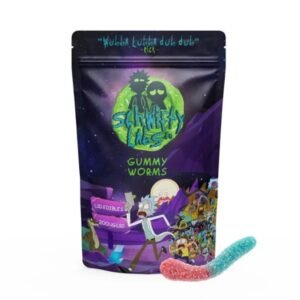
LSD Edible 200ug Gummy Worm
$33.45 -

LSD-25 Blotter Tabs – Dancing Condos
Price range: $19.40 through $305.62 -
-

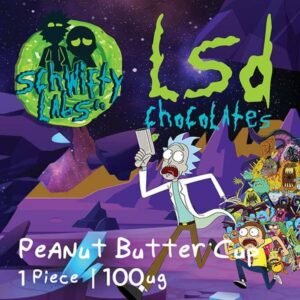
LSD Mini Rice Krispie 200ug
$30.68 -
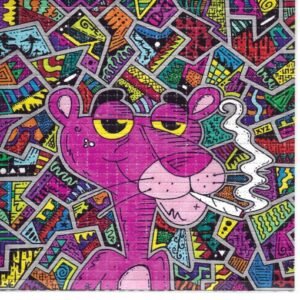
LSD-25 Tabs Smoking Panther
Price range: $19.40 through $315.32 -

LSD Mini Cinnamon Roll 200ug
$30.68

Reviews
There are no reviews yet.